

A thorough search of the Scopus database was conducted to gather all the relevant research. Keywords related to binge drinking were used to locate a wide range of studies. Specific criteria were subsequently applied to narrow the results, ensuring the inclusion of only the most relevant articles. Finally, a software program called VOSviewer was utilized to analyse and visualize the connections between these studies. The chances are especially high for people who drink heavily during their teen years. Teenage binge drinkers are about three times more likely to develop alcohol use disorder.
After pancreatic cancer, Maria Menounos makes health her focus

Although drinking any amount of alcohol can carry certain risks (for information on impairments at lower levels, please see the NIAAA BAC-level infographic), crossing the binge threshold increases the risk of acute harm, such as blackouts and overdoses. Binge drinking also increases the likelihood of unsafe sexual behavior and the risk of sexually transmitted infections and unintentional pregnancy. Because of the impairments it produces, binge drinking also increases the likelihood of a host of potentially deadly consequences, including falls, burns, drownings, and car crashes.
Share this article
A systematic review6 of such studies, which was published last year, found that cancer risks were raised slightly in those who had half a drink (5 g of ethanol) per day — the lowest level examined. “And frankly, it probably doesn’t make a lot of sense to go down further, because I mean, who drinks one-quarter of a drink? The sex difference is because breast cancers account for a large number of cancers that are attributable to alcohol in women but not in men. For decades, scientists drug addiction treatment have been building a case that alcohol causes cancer.
Alcohol and cancer risk: what you need to know
- Researchers blame this kind of heavy drinking for more than half of the roughly 88,000 alcohol-related deaths — from car crashes, alcohol poisoning, suicide, and violence — that happen every year.
- Some studies attempt to adjust for this by inflating the levels of drinking to match those expected from alcohol sales, says Peter Sarich, an epidemiologist at the Daffodil Centre, a cancer research centre in Sydney, Australia.
- Binge drinking can also lead to risky decision-making and result in a range of physical and social consequences including violence and unsafe sexual behavior.
Given the seemingly implacability of social drinking, the focus for a long time has been trying to reduce the kind of habitual, excessive drinking that we have historically called alcoholism. People have known for centuries that drinking too much alcohol is bad for you. The short-term physical effects on cognition and motor function speak for themselves. The longer-term physical consequences of abusing alcohol — liver damage, jaundice, and cancer — have long been impossible to ignore.
Healthy tips for your inbox
But both alcoholism and binge drinking can have similar health consequences. While many people binge drink on occasion, adults with mild-to-severe alcohol use disorder are unable to limit their intake. They often drink to avoid the negative emotional effects of not drinking and may obsess over when they can drink next. In the 2018 Global Cancer Update Programme report4, the panel concluded that any amount of alcohol increased the risk of mouth, pharynx, larynx, oesophageal and breast cancer.
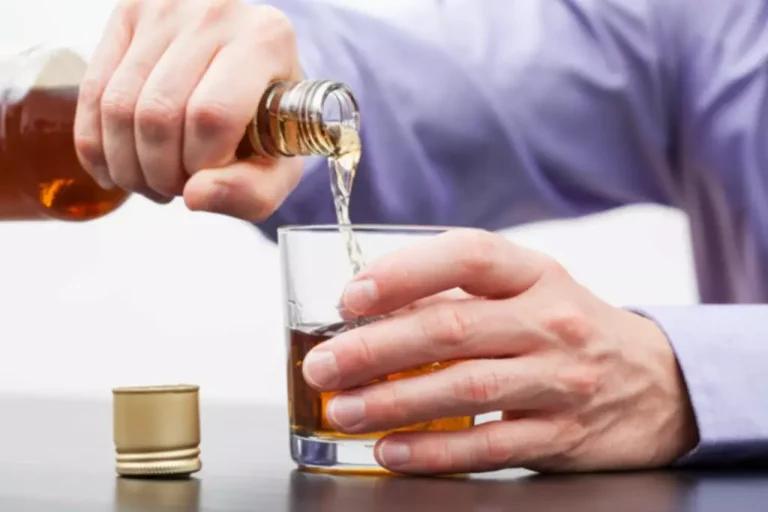
Who binge drinks?
Binge drinking – having a lot of alcohol in a short space of time – can be extremely dangerous.1 Our bodies can only process roughly one unit of alcohol an hour – binge drinking effects and less for some people. “The whole evidence base around moderate drinking is scientifically frail — and that would be a charitable characterization,” Naimi says. Binge drinking is a concerning behaviour that can have severe consequences for individuals both in the short and long term. However, there is a way to stop drinking that is quick and easy with no bad withdrawal and that is and Allen Carr’s Easyway to stop drinking. Scientists have theorized that the antioxidants in red wine could play a role in reducing cholesterol, for example. All the data generated or analyzed during this study are included in this published article.
